1. The Shoulder Seasons (Best Overall):
Months: April to June (Spring) & September to November (Autumn)
Why go: This is widely considered the sweet spot for European travel. The weather is pleasant and mild—perfect for walking city streets or exploring the countryside—without the intense summer heat.
2. Peak Summer Season (Best for Beaches & Festivals):
Months: July and August
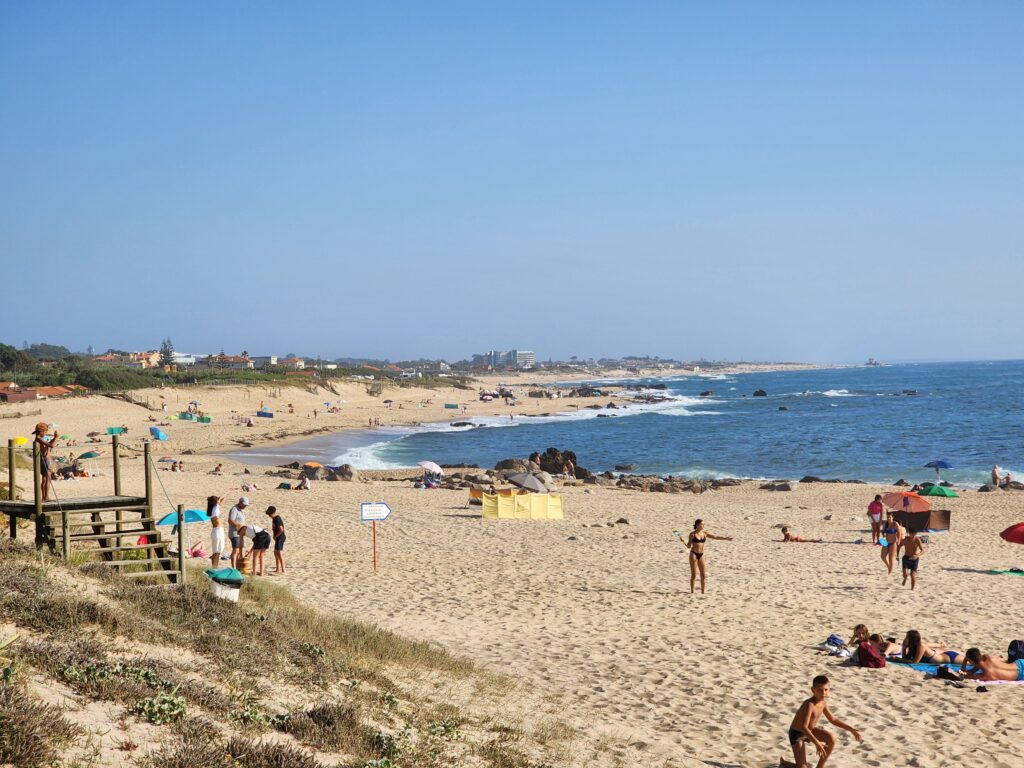
Why go: If you are looking for vibrant nightlife, music festivals, or long, sun-soaked days on the Mediterranean coast (like Greece, Italy, or Spain), this is the time to go.
3. The Low Season (Best for Budgets, Skiing, & Christmas Magic):
Months: December to March
Why go: If you want to see Europe on a budget, winter offers the lowest rates for flights and hotels (excluding the holidays). It’s also prime time for world-class skiing in the Alps.
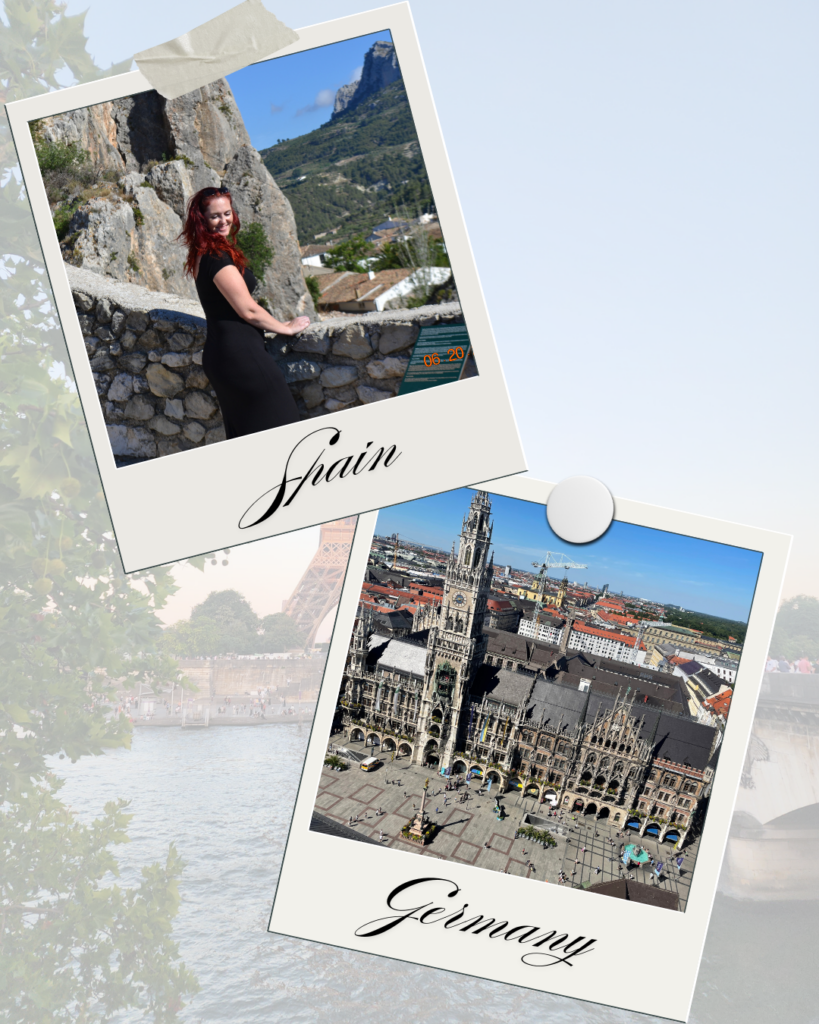
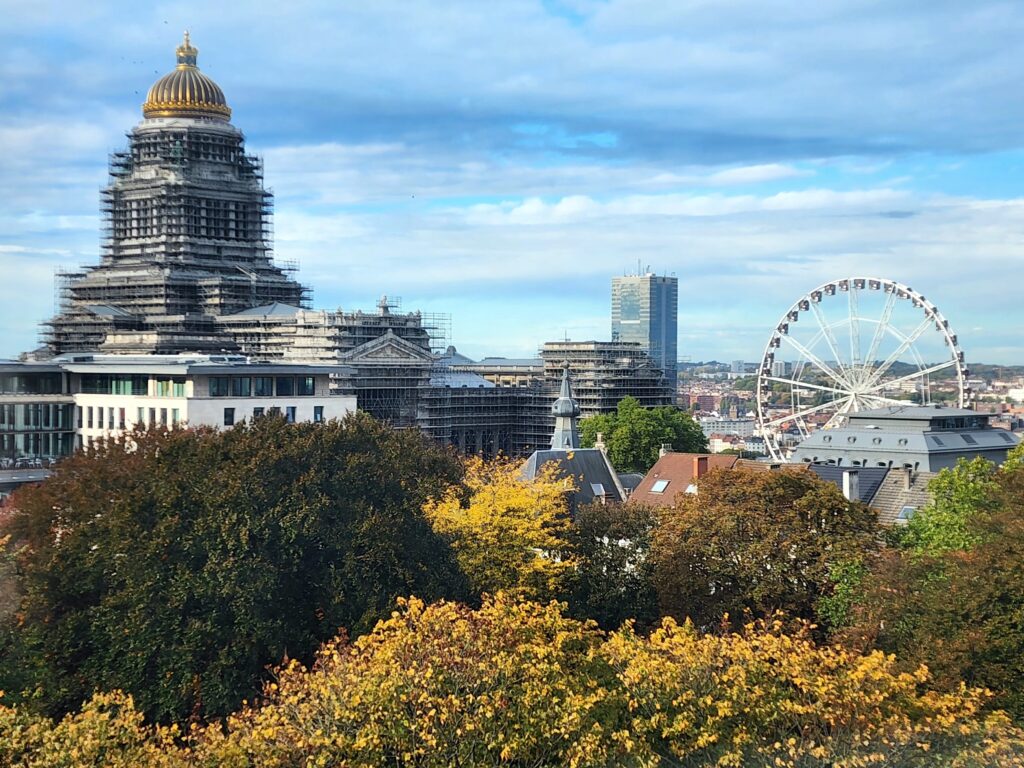
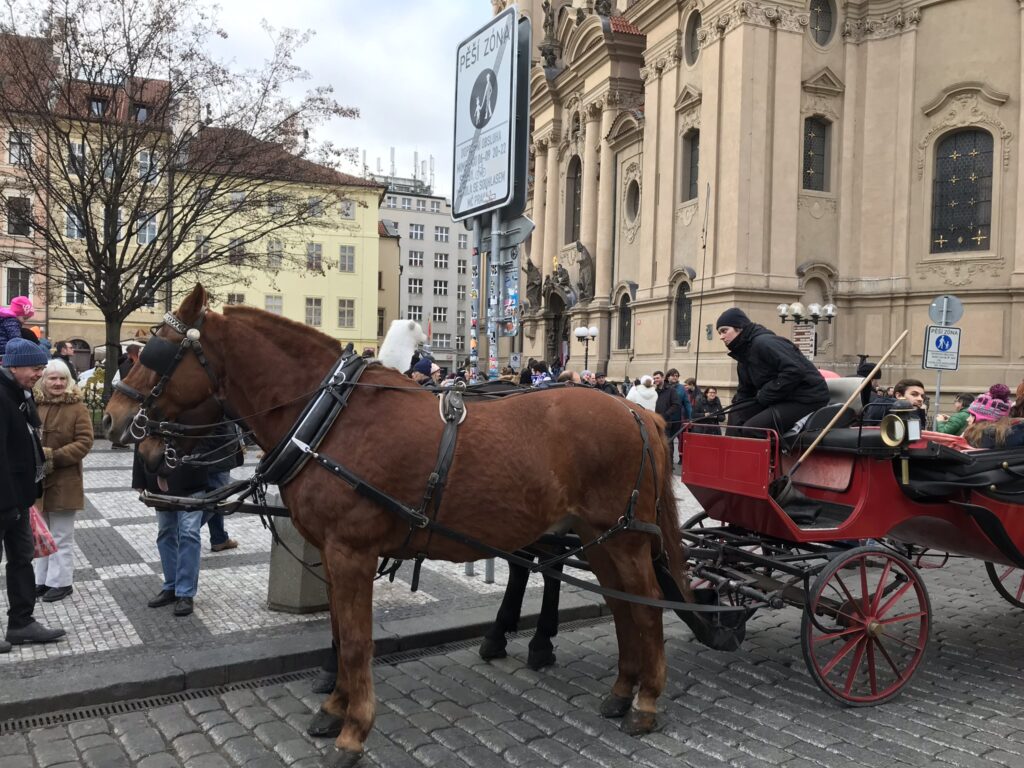
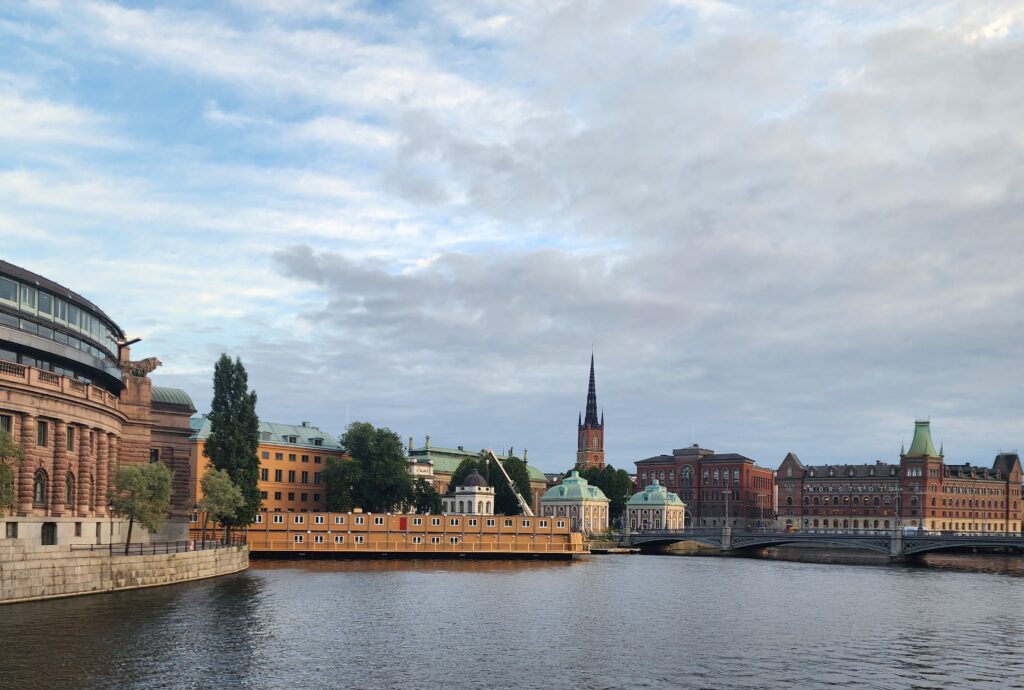
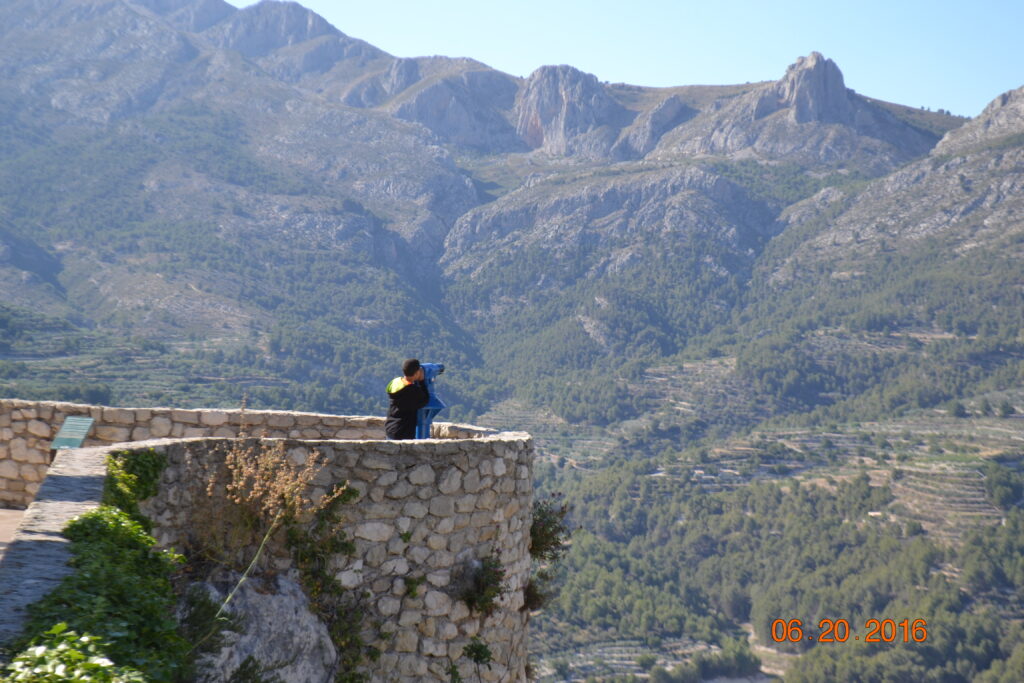
One of the best things about Europe is its sheer variety. You’ll experience a massive shift in language, architecture, local traditions, and incredible cuisine just by crossing a border. History isn't confined to museums here; it’s woven into daily life. Expect to walk on centuries-old cobblestone streets, wander through medieval town squares, and stumble upon ancient ruins or castles right in the middle of modern cities. European cities are built for exploring on foot. They boast fantastic public transportation systems, from high-speed trains that connect major countries to seamless local metros, making it incredibly easy to get around without a car. Beyond the bustling cities, Europe’s geography has a bit of everything. You can expect dramatic coastal cliffs and sun-soaked beaches in the south, rolling wine country in the interior, and massive, snow-capped peaks and deep fjords in the north.
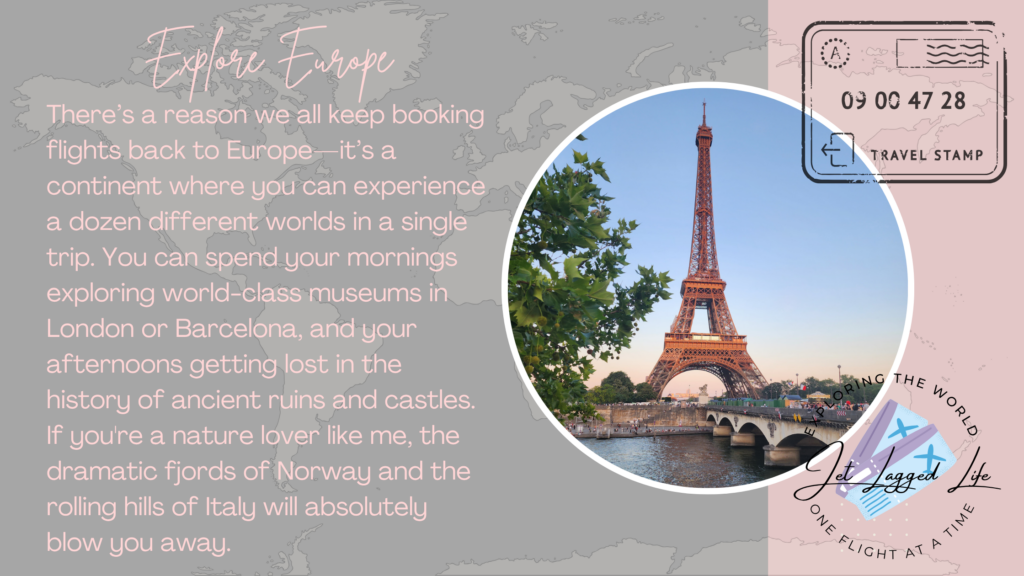
Cruising through the Fjords of Norway
This post may contain affiliate links which means I may receive a commission if you click or purchase through the links. I will only recommend products I use myself. Learn more on my Disclaimer Page.
Receive exclusive travel tips, giveaways and more!